
Image

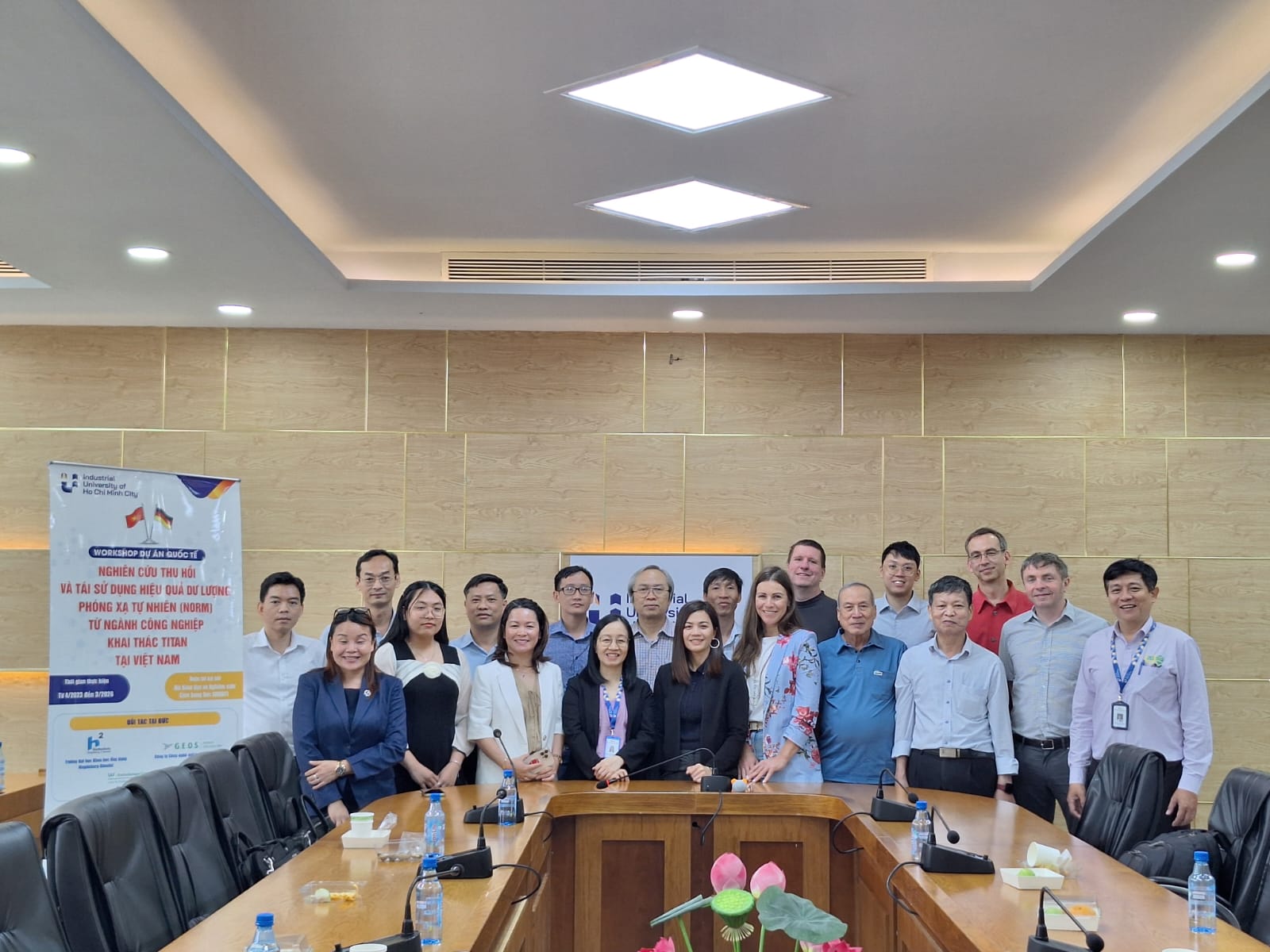
At the heart of the project are heavy minerals – minerals with a significantly higher density than quartz. They account for less than one per cent of some Vietnamese coastal sands, but are of great economic importance. Concentrates produced from ilmenite and rutile serve as raw materials for titanium dioxide, the most important white pigment, and for titanium metal. Zircon is used in the ceramics and refractory industry, while monazite provides rare earth elements and also contains thorium. These raw materials make many everyday products and future technologies possible – from paints and tiles to wind turbines and electric motors.
Within the project, the material flows along the entire process chain were recorded in detail and examined radiologically. The investigations showed that there is no single type of “residual sand”, but rather different fractions with varying radiological properties. The decisive factor is which heavy minerals are present and in what quantities, because minerals such as monazite and zircon naturally exhibit elevated levels of radioactivity. Depending on the specific processing steps, residues can therefore exhibit significantly higher activities than the original coastal sand, depending on their composition.
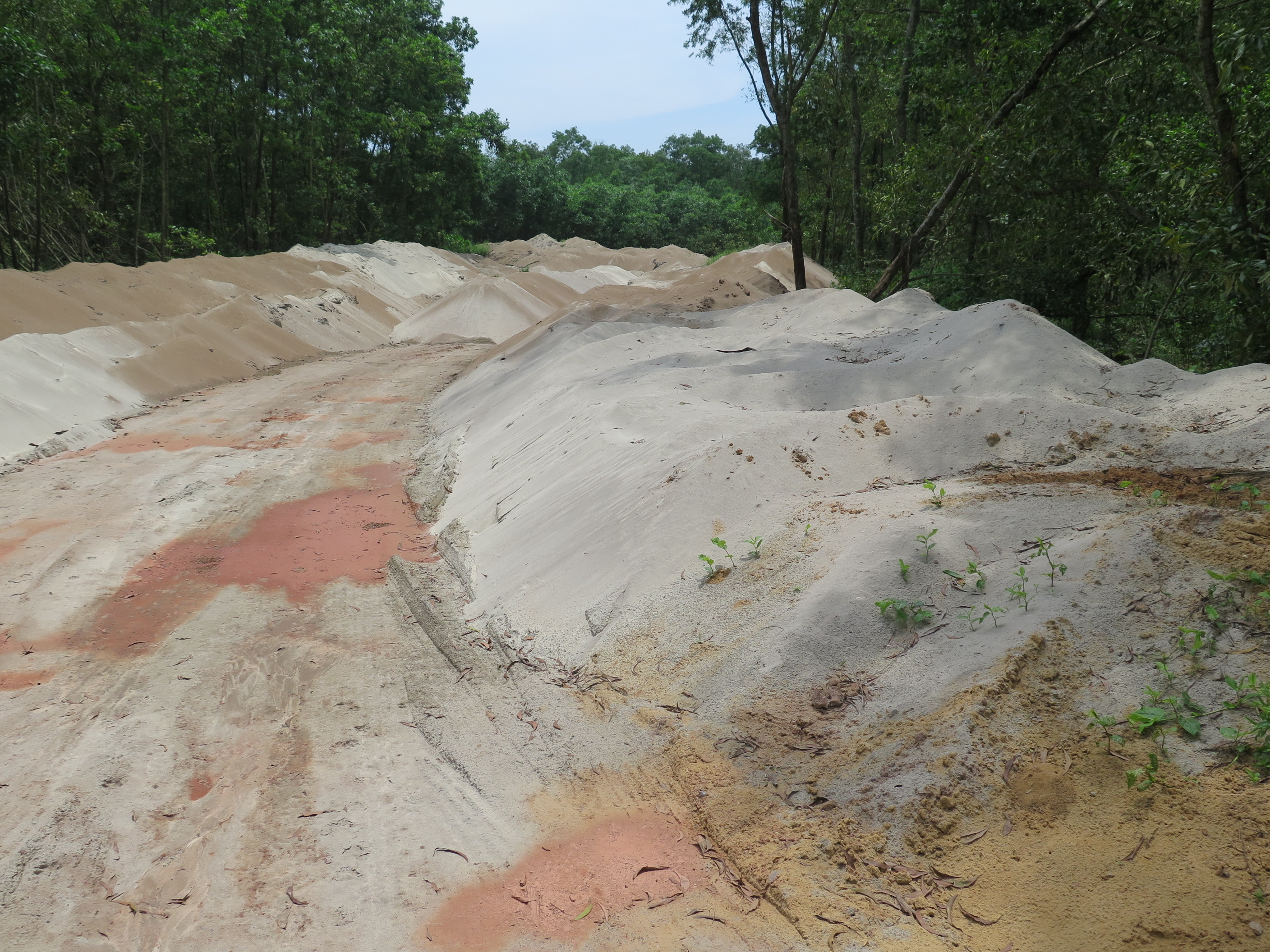
Three thematic areas were central to the work: radionuclide levels in groundwater and surface water around mining and processing sites, at workplaces, and in NORM residues - “naturally occurring radioactive materials”, i.e. materials containing naturally occurring radionuclides from the uranium and thorium decay series. Investigations of groundwater and surface water in the vicinity of two open-cast mines showed that concentrations of uranium isotopes are below the World Health Organization (WHO) guideline values for drinking water. In some process waters, however, elevated concentrations of radium-228 were measured. The project therefore recommends regular monitoring of groundwater and surface water in areas where heavy mineral sands are mined and processed.
For workers in processing plants and storage areas, gamma dose rates between 0.5 and 2 microsieverts per hour were measured. Under conservative assumptions, this corresponds to an additional annual dose of up to 2.4 millisieverts and is thus below the regulatory limit of 20 millisieverts per year for occupationally exposed persons. However, it is of the same order of magnitude as the natural annual dose to which an average person is exposed worldwide. To further improve occupational safety, RENO-TITAN recommends identifying dust-intensive workplaces, measuring airborne dust concentrations and radon levels, checking air filters for elevated radionuclide accumulation, upgrading extraction and ventilation systems and providing workers with personal dosemeters – or equipping workplaces with area dosemeters – in order to better assess work-related radiation exposure.
To ensure the safe handling of higher-activity residues, solidification and immobilisation tests were carried out using Portland cement and geopolymers. The results show that residues with a proportion of up to around twenty per cent by mass can be incorporated into mechanically stable and chemically durable test specimens. In leaching tests, the radionuclide concentrations released remained below WHO guideline values even under conservative assumptions. Geopolymers and Portland cement exhibit comparable immobilisation performance, with cement offering advantages in terms of availability and significantly lower costs.
The investigations carried out so far suggest that fine-grained residual sands from titanium ore mining can be used as alternative sand in the construction sector under certain conditions. The prerequisite is that they are only used in limited proportions and in carefully designed mixtures so that the additional radiation exposure from finished building products remains below the internationally established reference level of one millisievert per year. The Vietnamese standard TCXDVN 397:2007 defines indices based on the activities of radium-226, thorium-232 and potassium-40 and specifies, for example, whether materials may be used indoors or only in outdoor applications. Experience from other countries, for example with the use of residues from titanium dioxide production, shows that such materials can be both technically suitable for construction purposes and radiologically acceptable when appropriately mixed.
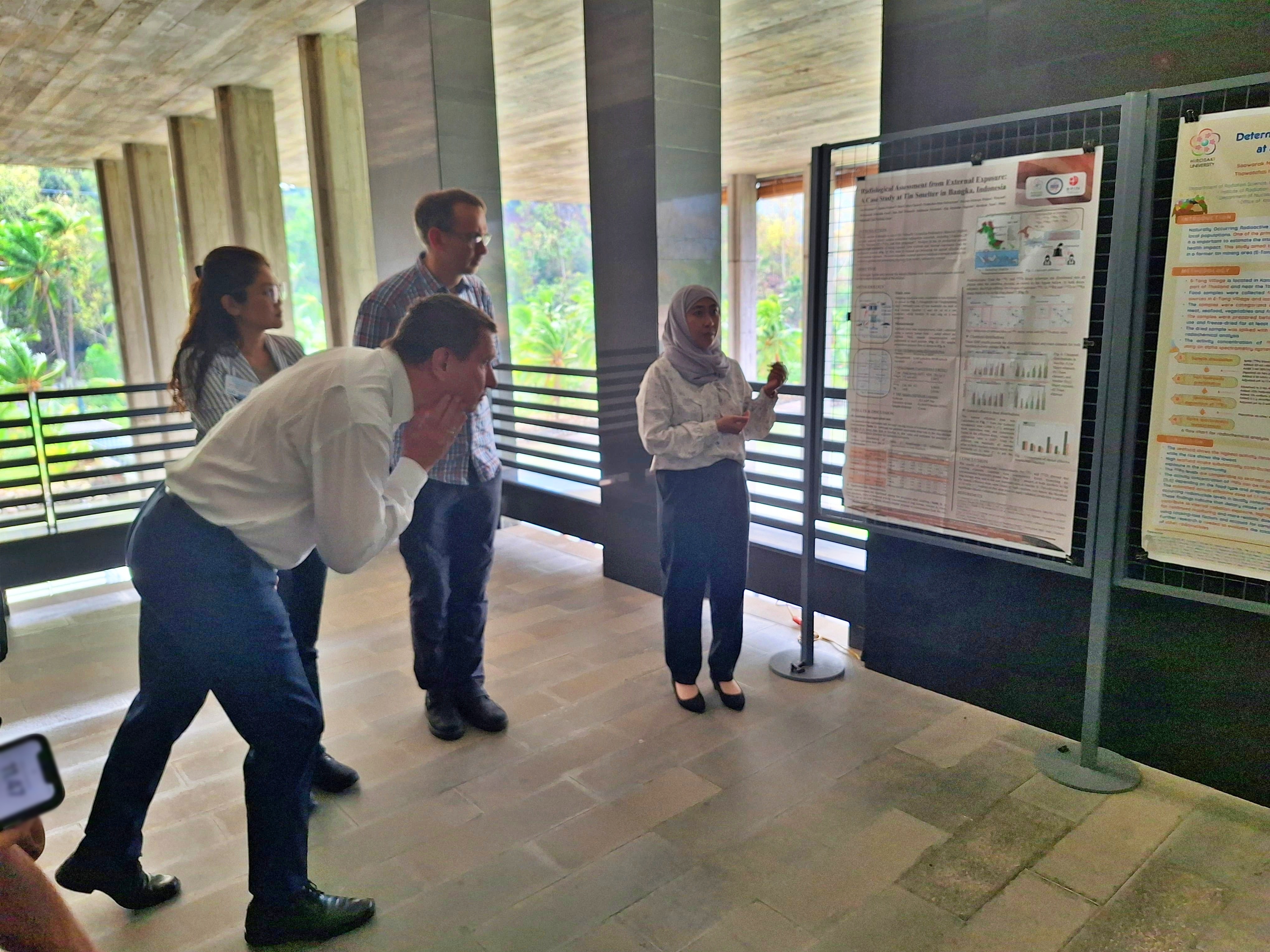
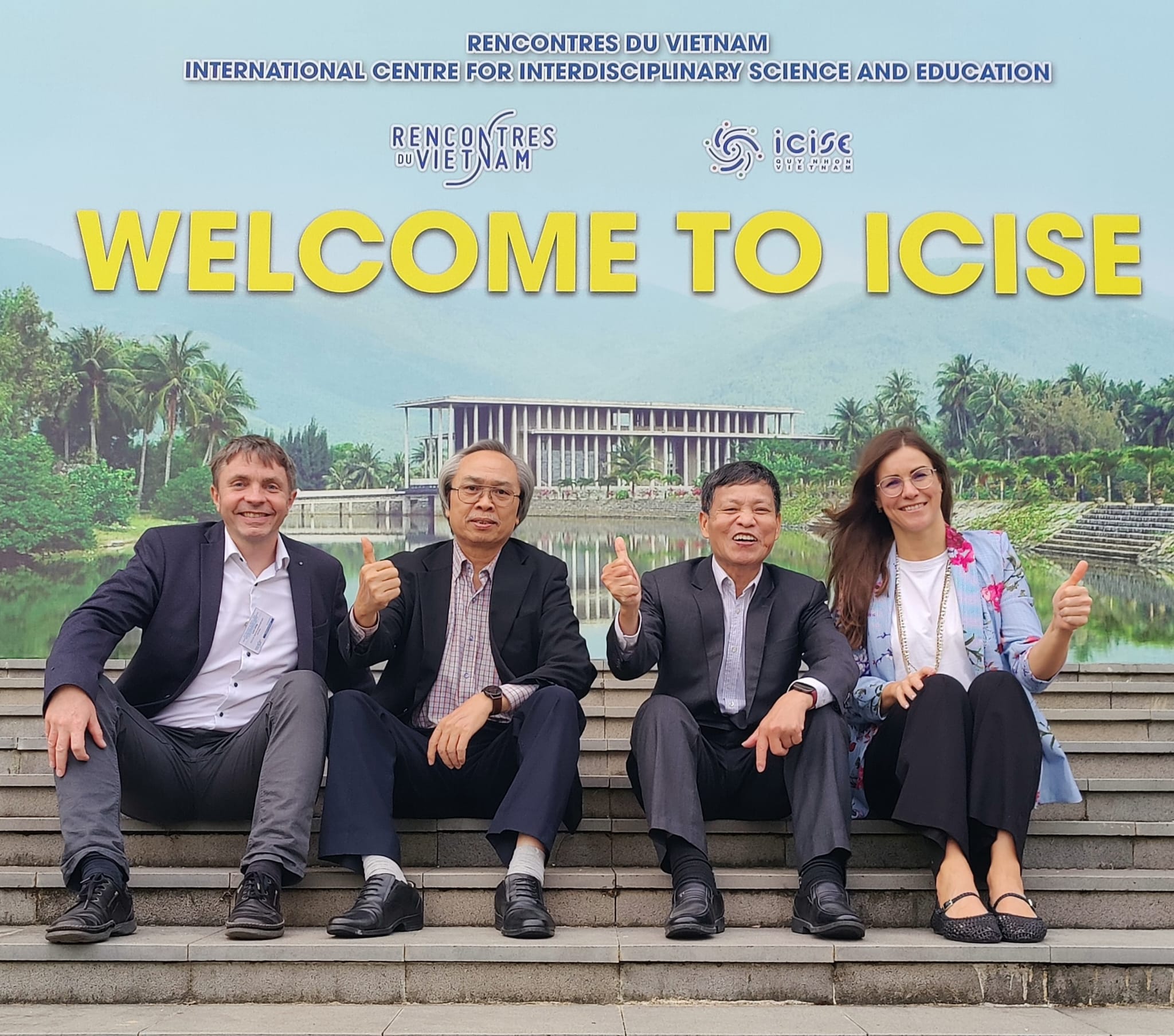
During the project visit, the partners organised a specialist session entitled “Natural Radioactivity in the Environment” as part of the International Vietnam Conference on Earth and Environmental Sciences (iVCEES 2025) in Quy Nhon, a coastal city in central Vietnam. Experts from Vietnam, Indonesia, Thailand, Japan, France and Germany exchanged views on regulatory and technical frameworks for NORM, case studies from tin smelters, radon measurements and nationwide surveys of environmental radiation levels in Indonesia. In Mamuju in West Sulawesi, Indonesia, for example, an unusually high natural radiation exposure of on average around 32 millisieverts per year has been measured; by comparison, the global average is about 2.4 millisieverts. The second part of the session focused on practical experience with sampling and remediation, as well as the management of NORM residues in Vietnam. The session concluded with a presentation on RENO-TITAN, outlining the project’s approach to mapping the entire process chain and identifying safe options for reuse and disposal.

The discussions gave rise to a number of future topics that go beyond the titanium sector: for example, how the experience gained in RENO-TITAN can be transferred to other industries such as coal-fired power generation, rare earth production or the oil and gas industry; how national regulations and often stricter provincial requirements can be better aligned; and how life-cycle assessments can help to make the environmental benefits of different options more visible. Additional ideas were developed for a nationwide radon measurement campaign and for safer management of radioactive waste from medical applications.
Against this background, heavy mineral sand mining in Vietnam is gaining in importance: the country already has the legal framework needed to use residual sands from titanium mining in a responsible manner. The main hurdle is less a lack of technical solutions than the often pronounced local concern about radioactivity, which goes beyond the statutory requirements. Here, RENO-TITAN can help to build confidence – among the public and authorities as well as in industry – by providing robust measurement data, realistic pilot projects and transparent recommendations, thereby contributing to resource efficiency and domestic value creation.
Our thanks go to the Vietnamese partners and the companies involved for their openness, the excellent cooperation, their sustained interest and their generous hospitality.
For further information on RENO-TITAN visit the project page.