
Image
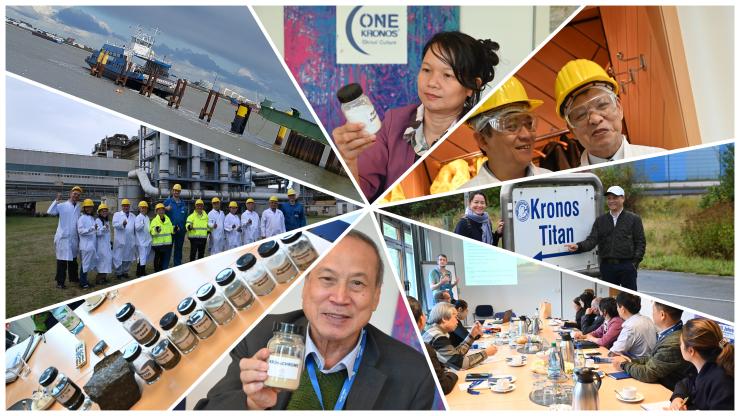
NORM residues arise, among other things, when natural radionuclides accumulate through industrial processes. This occurs in Vietnam's titanium mining industry as well as in German applications ranging from drinking water treatment to the coal and natural gas industry, the zirconium industry and deep geothermal energy.
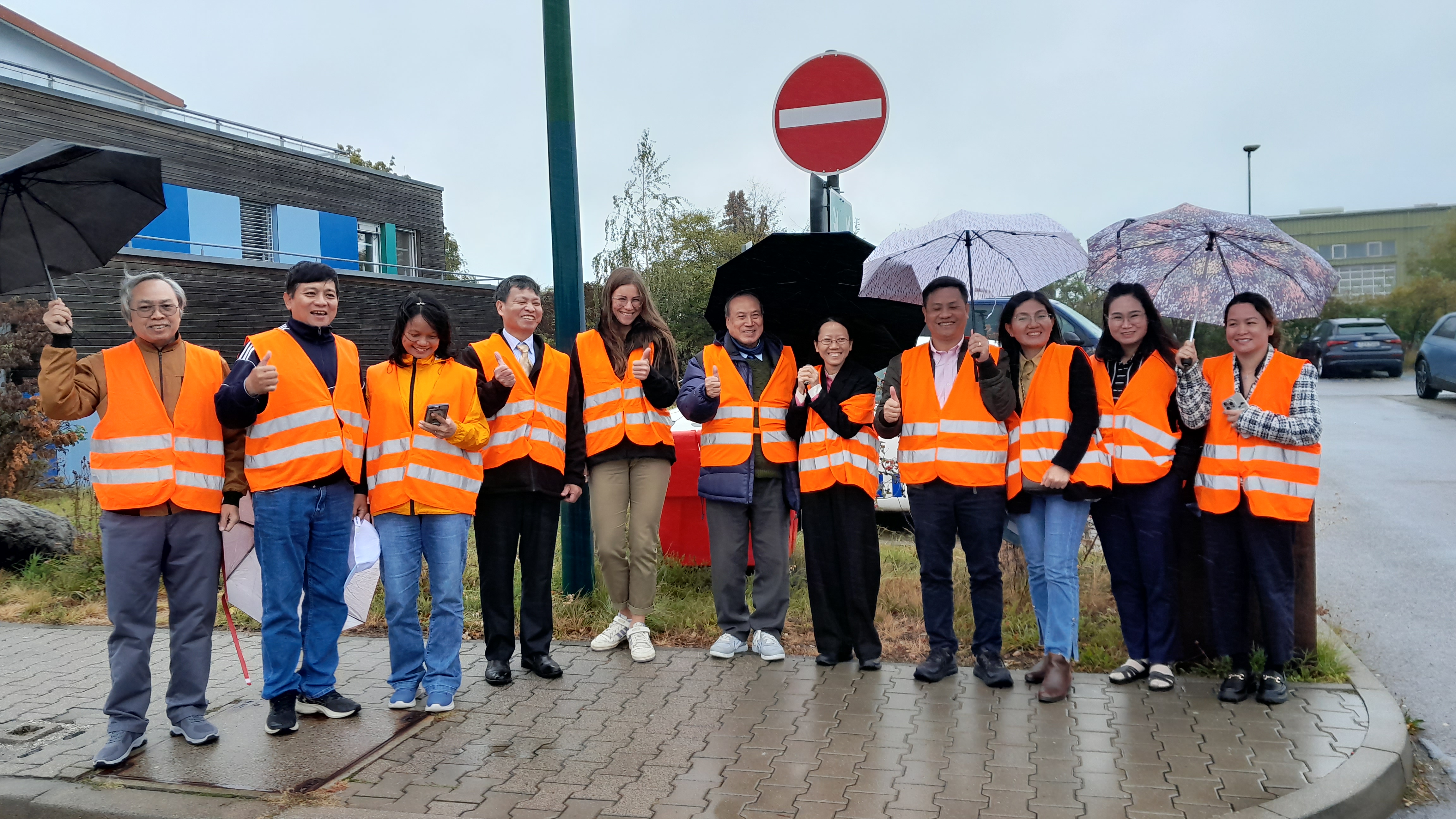
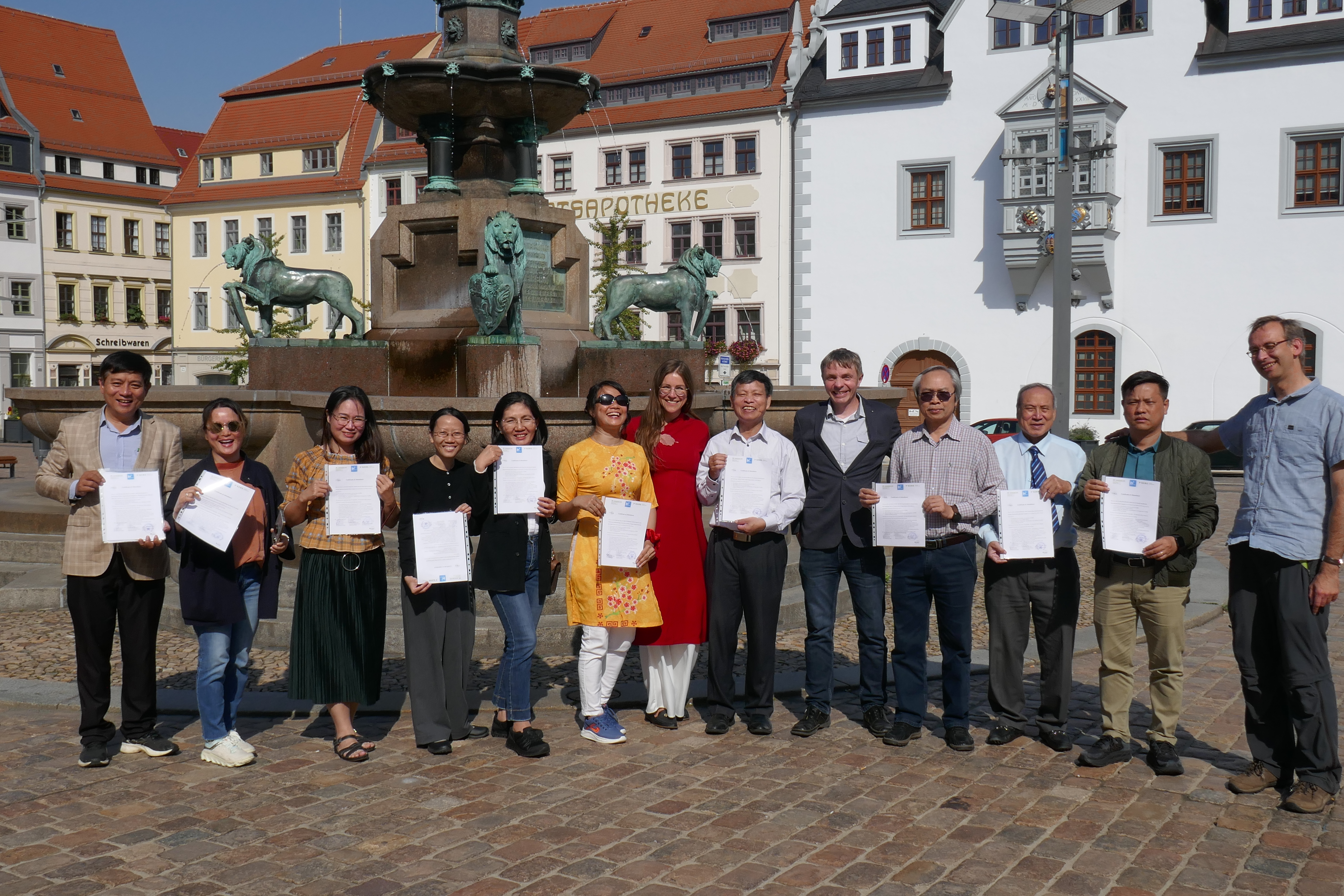
The study trip took place as part of the RENO-TITAN project, which is funded under the CLIENT II funding programme. RENO-TITAN develops solutions for the safe handling of NORM residues in Vietnam's titanium industry.
The delegation trip included several stops:
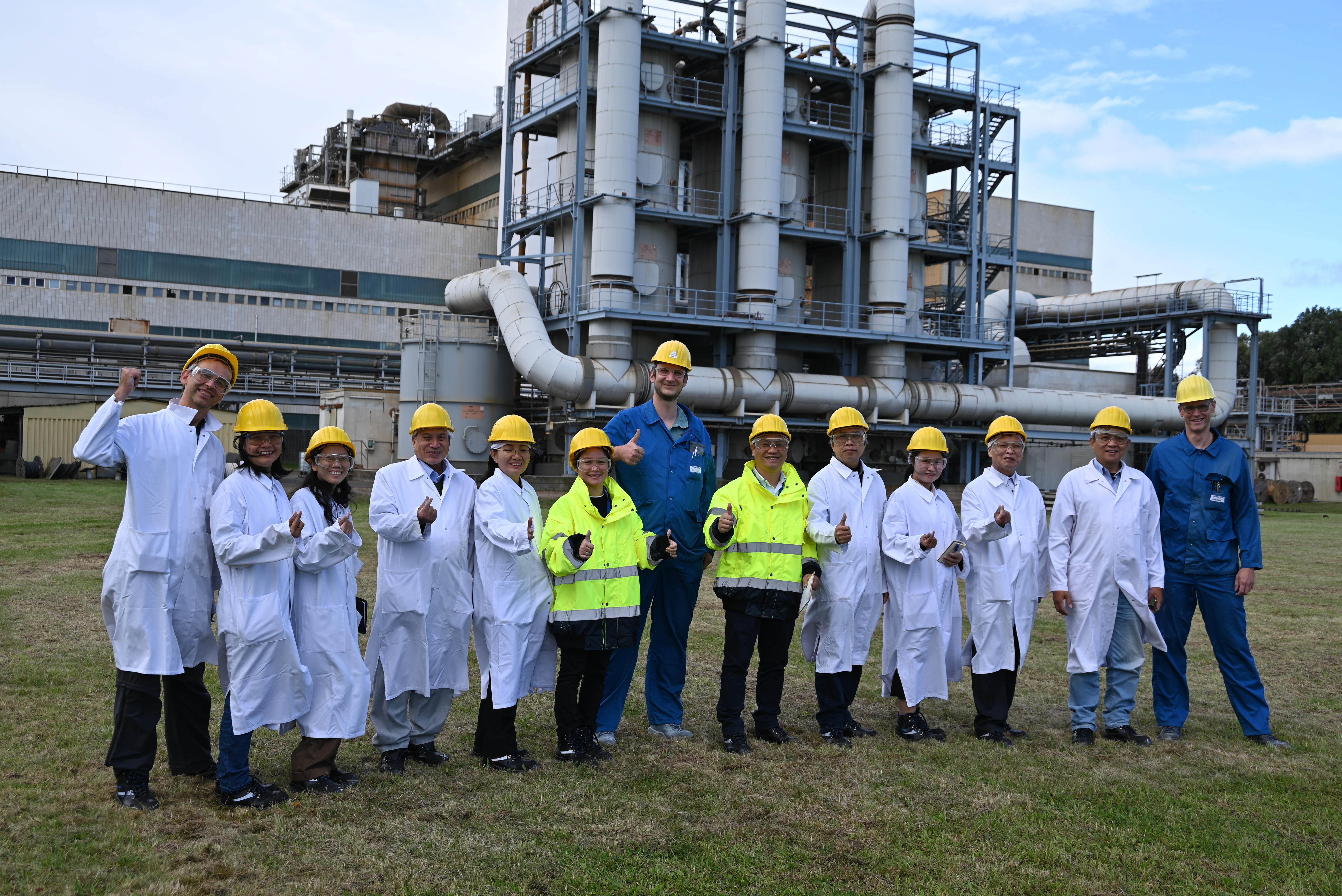
The Vietnamese delegation first visited the KRONOS Worldwide, Inc. plant in Nordenham, Lower Saxony, a global manufacturer of the white pigment titanium dioxide. Titanium oxide gives products such as paints, plastics and paper their high whiteness and opacity. On site, visitors saw how pure titanium dioxide is produced from the iron- and titanium-containing mineral ilmenite using the sulphate process: First, iron components are dissolved out with sulphuric acid. The remaining titanium oxide hydrate is then heated to such a high temperature that pure, white titanium dioxide forms in crystal form. Subsequent fine grinding and targeted surface treatment finally give the pigment the desired properties for later use.
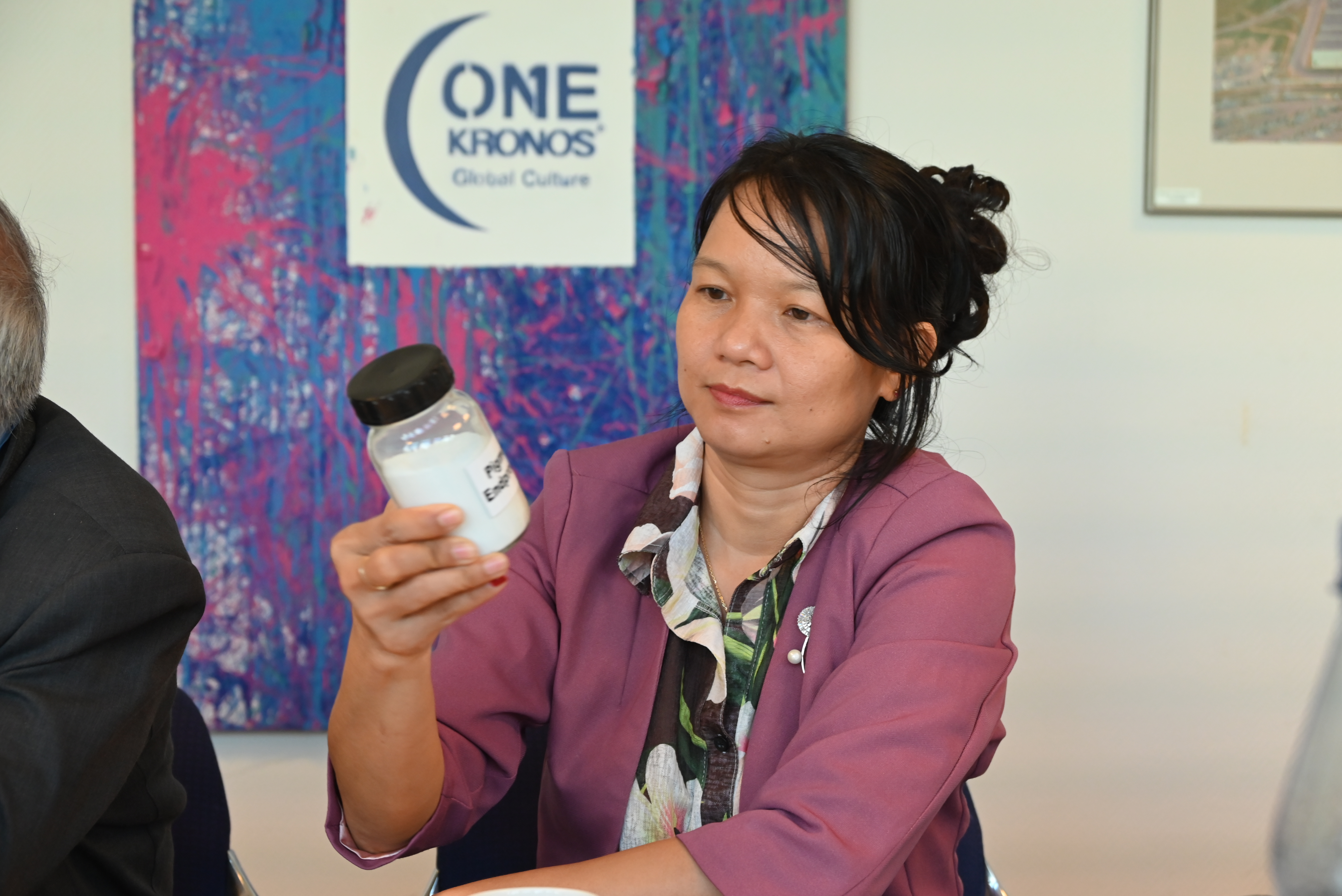
The focus of the on-site presentation was on the concept of recycling: the sulphuric acid required comes from a neighbouring company and is reused several times. The company markets the iron salts produced in this process as valuable co-products. Sewage treatment plants use these for phosphate removal or in cement production, among other things. By linking these material flows, the company uses resources efficiently and minimises waste. The plant, which has been in operation since 1969, employs approximately 350 people and produces around 60,000 tonnes of titanium oxide per year, benefiting from its port connection. Titanium production is relevant to NORM because natural radionuclides from ilmenite/rutile can accumulate in processing and waste streams.
The visit to the Asse II mine near Wolfenbüttel gave the Vietnamese delegation an insight into how Germany deals with radioactive waste. In the 1960s and 1970s, low- and medium-level radioactive waste was stored in the Asse II mine because the salt mine was considered safe. Today, it is known that salt water is penetrating the mine and jeopardising its stability. Germany has therefore decided to retrieve all waste, a move that is unique in the world. Of particular interest here is the transparent approach to the public: residents are actively involved through regular information campaigns, publicly accessible measurement data and citizen measuring stations.
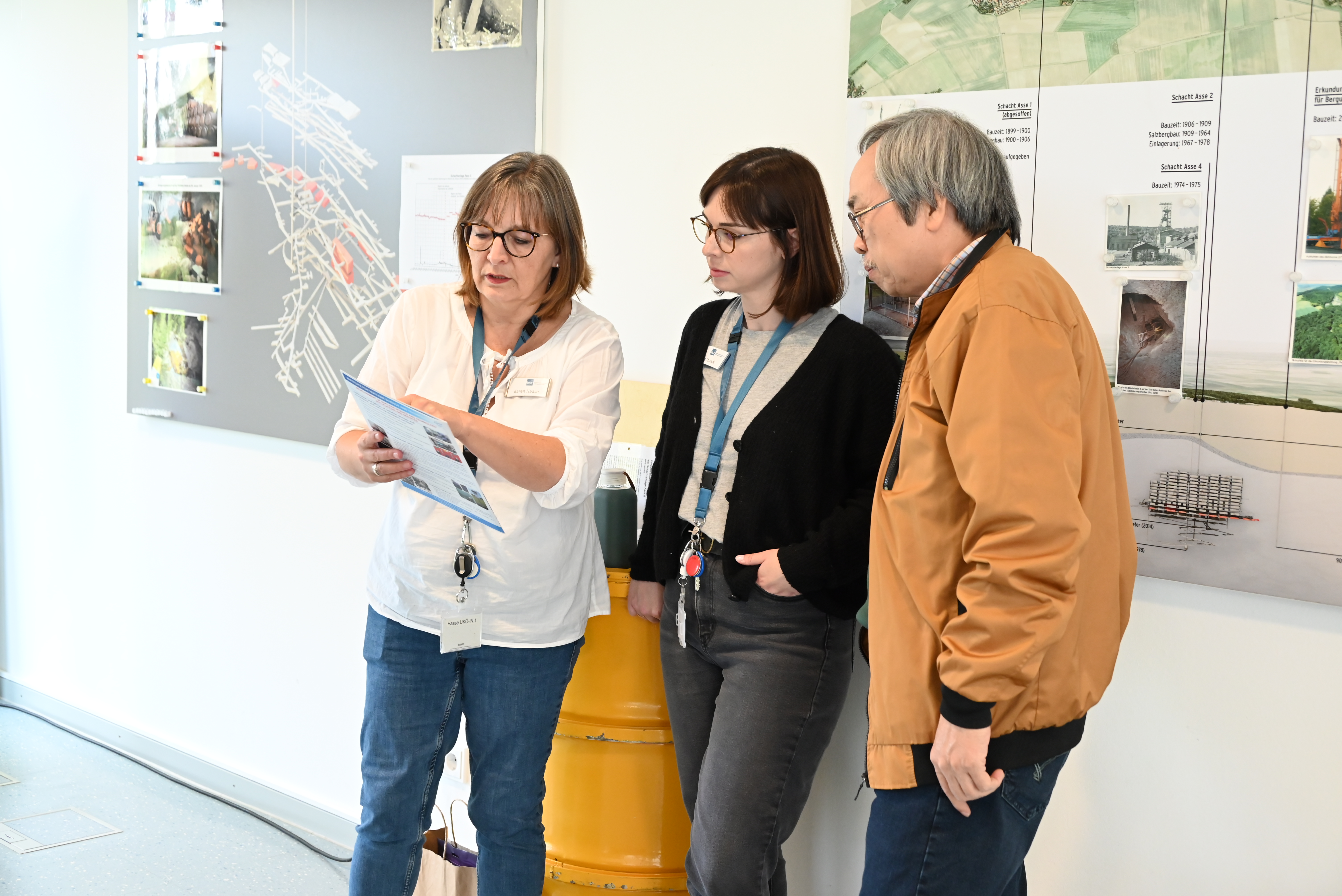
Trust is also key when dealing with NORM residues. Appropriate monitoring, operational precautions and open communication are essential – even if the radiological risks are significantly lower than in the case of Asse II.
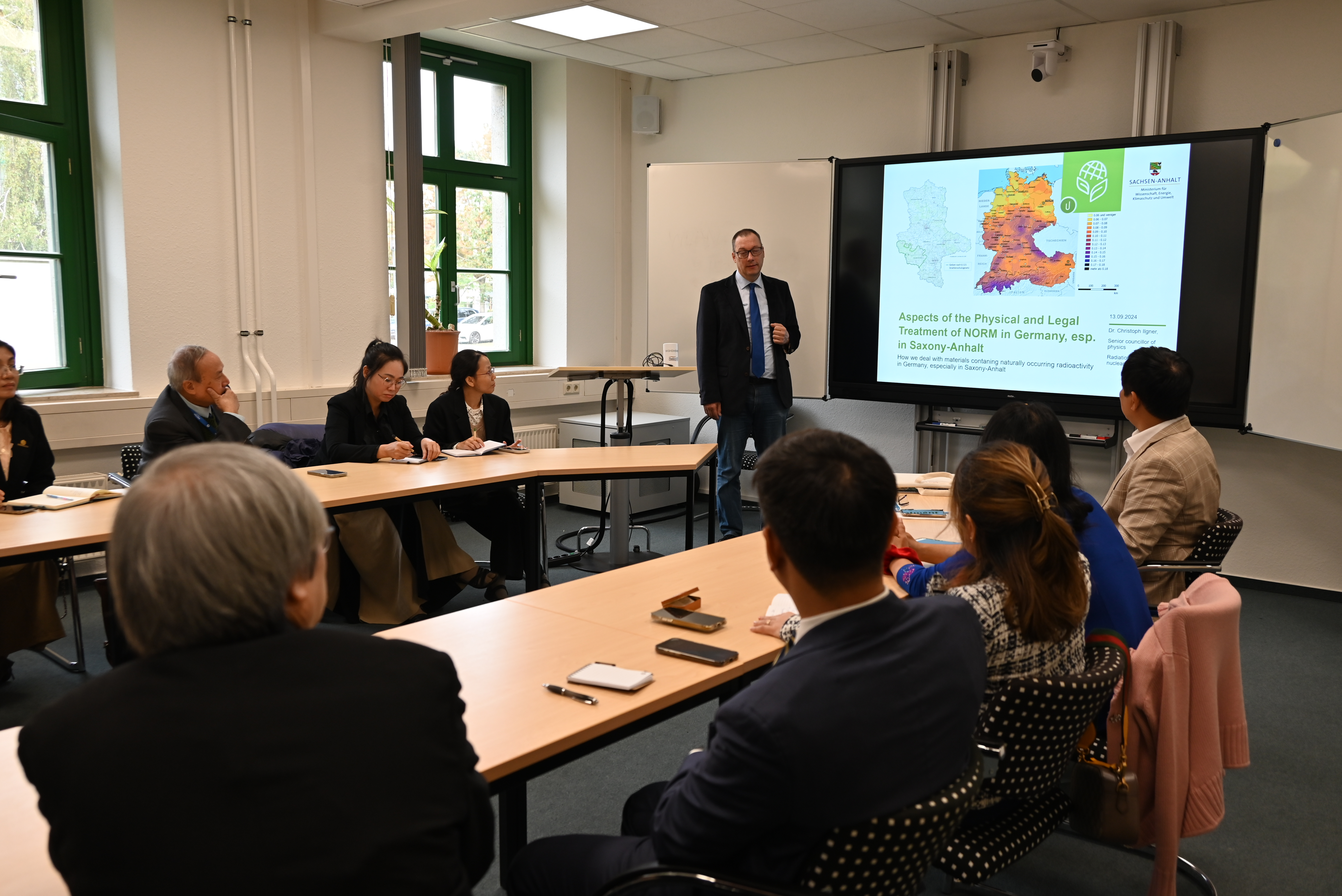
The visit to Magdeburg-Stendal University of Applied Sciences served to deepen knowledge of the fundamentals of radiation protection. In Germany, the natural average annual dose is around 2.1 millisieverts (mSv). Most of this is caused by the noble gas radon in the air we breathe. In addition, medical applications such as X-rays add an average of around 1.5 mSv per inhabitant, so that total exposure is typically around 3.6 mSv per year.
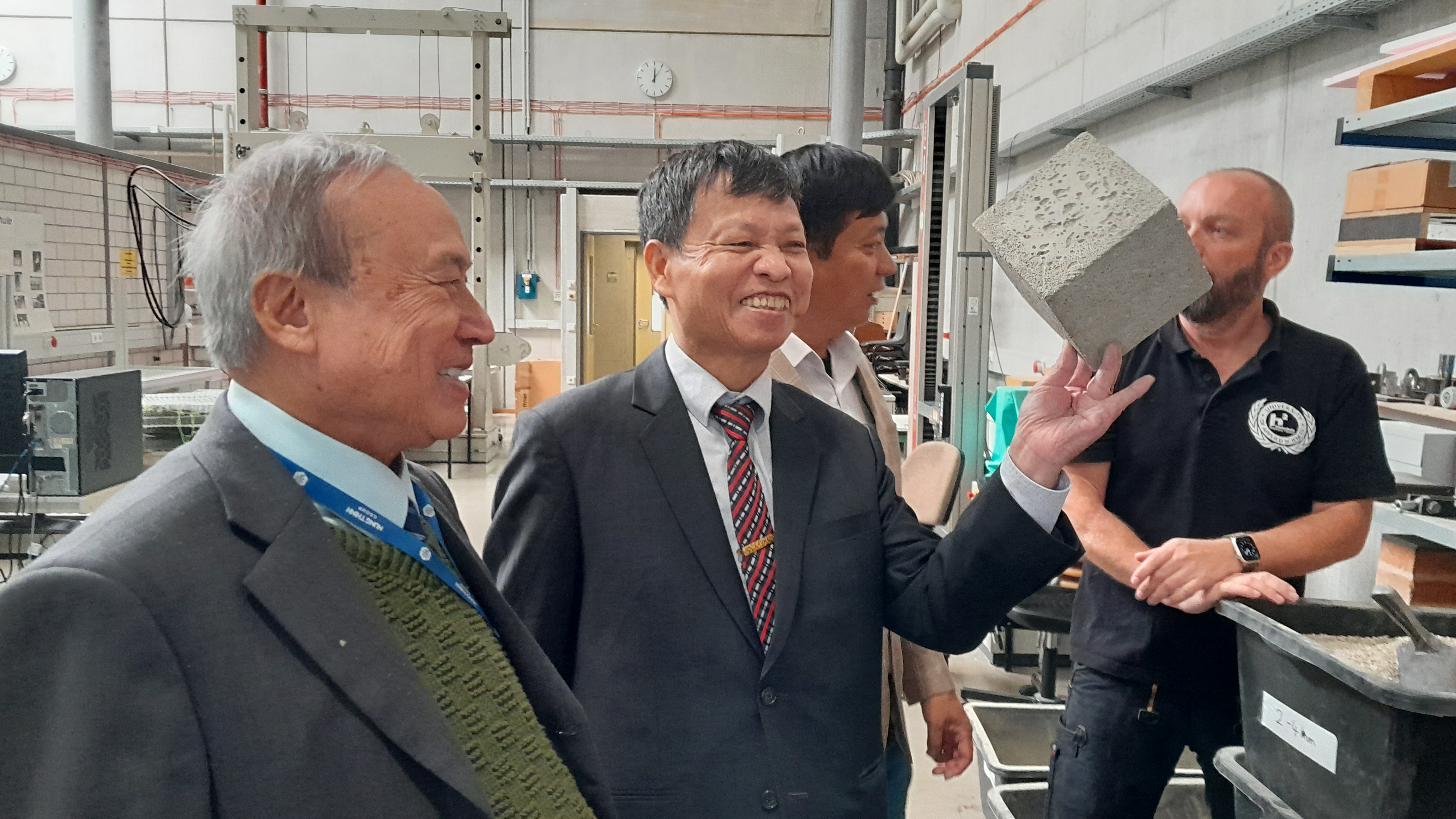
In Saxony-Anhalt, NORM cases include natural gas production in the Altmark region, where radioactive deposits must be disposed of properly. Another well-known example is the slag from copper slate mining in Mansfeld, the use of which in road construction and hydraulic engineering has led to locally elevated radiation levels in many places throughout Germany.
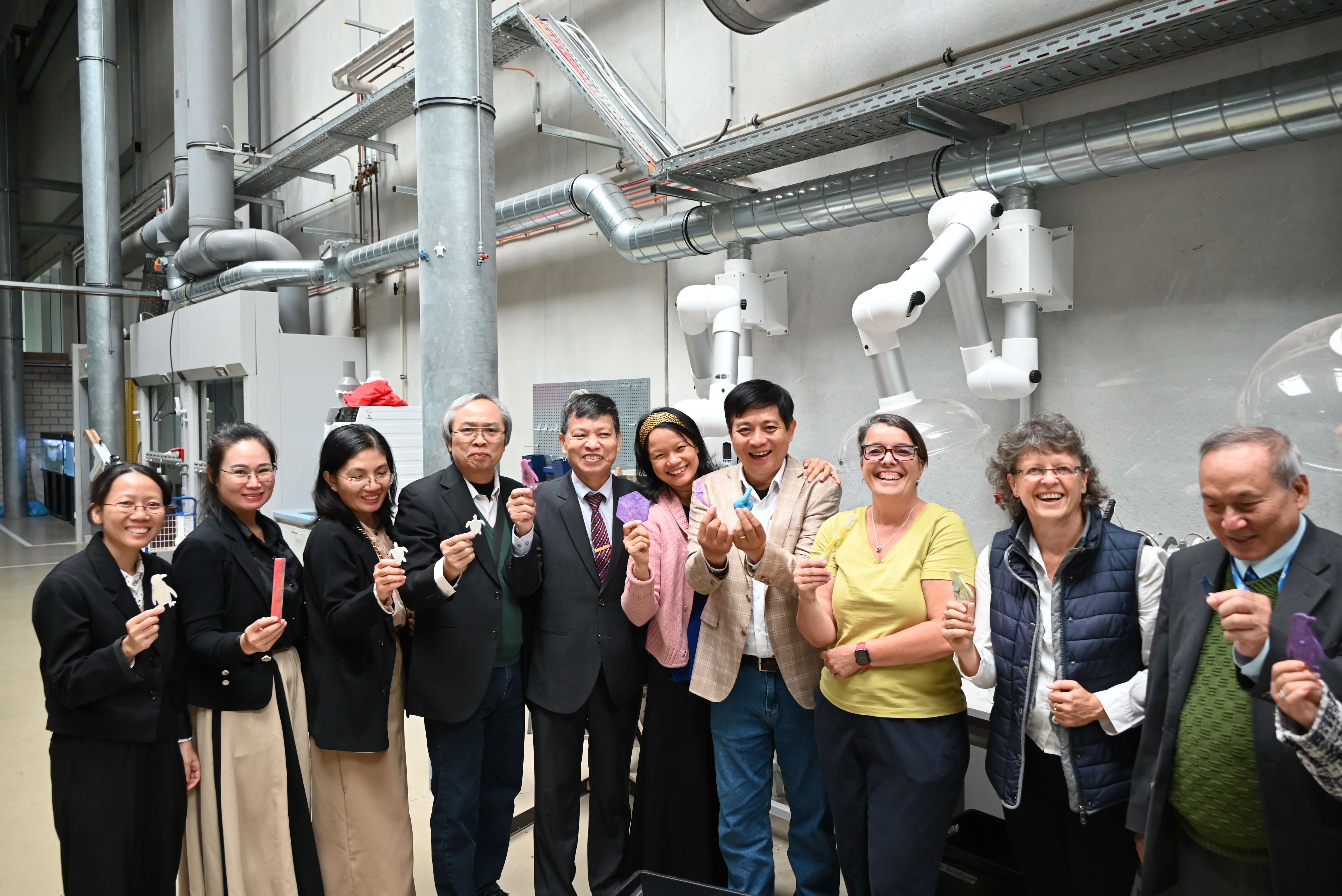
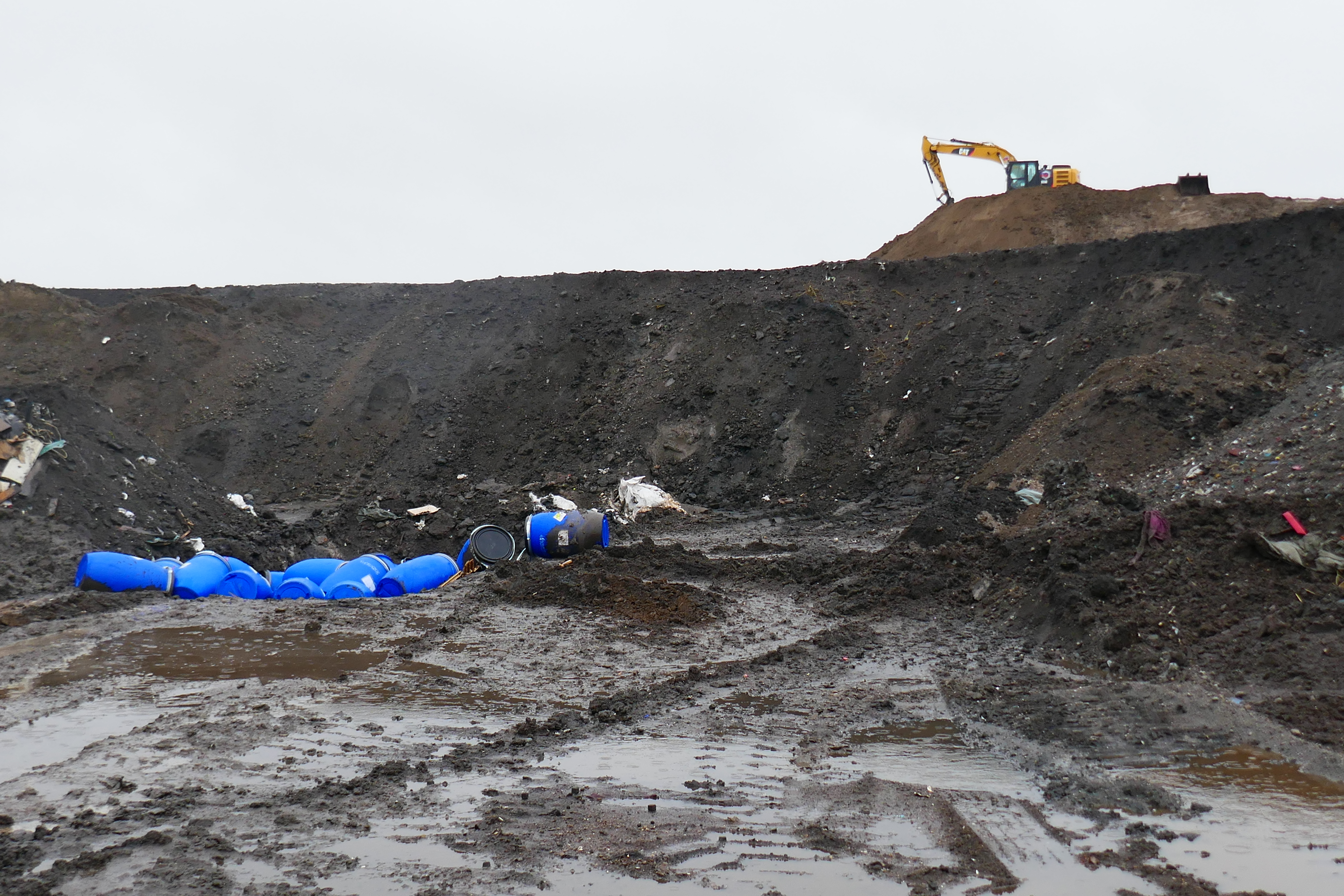
The Cröbern central landfill site near Leipzig accepts certain NORM residues for final storage – exclusively under strict conditions and in close consultation with the relevant authorities in Saxony. Radiological assessments and waste management certificates must be available to prove that the additional radiation dose for the population remains below 1 millisievert per year. Typical waste includes deposits from the natural gas industry and used filters from water treatment. The landfill carefully checks each delivery, monitors storage and reports to the authorities.
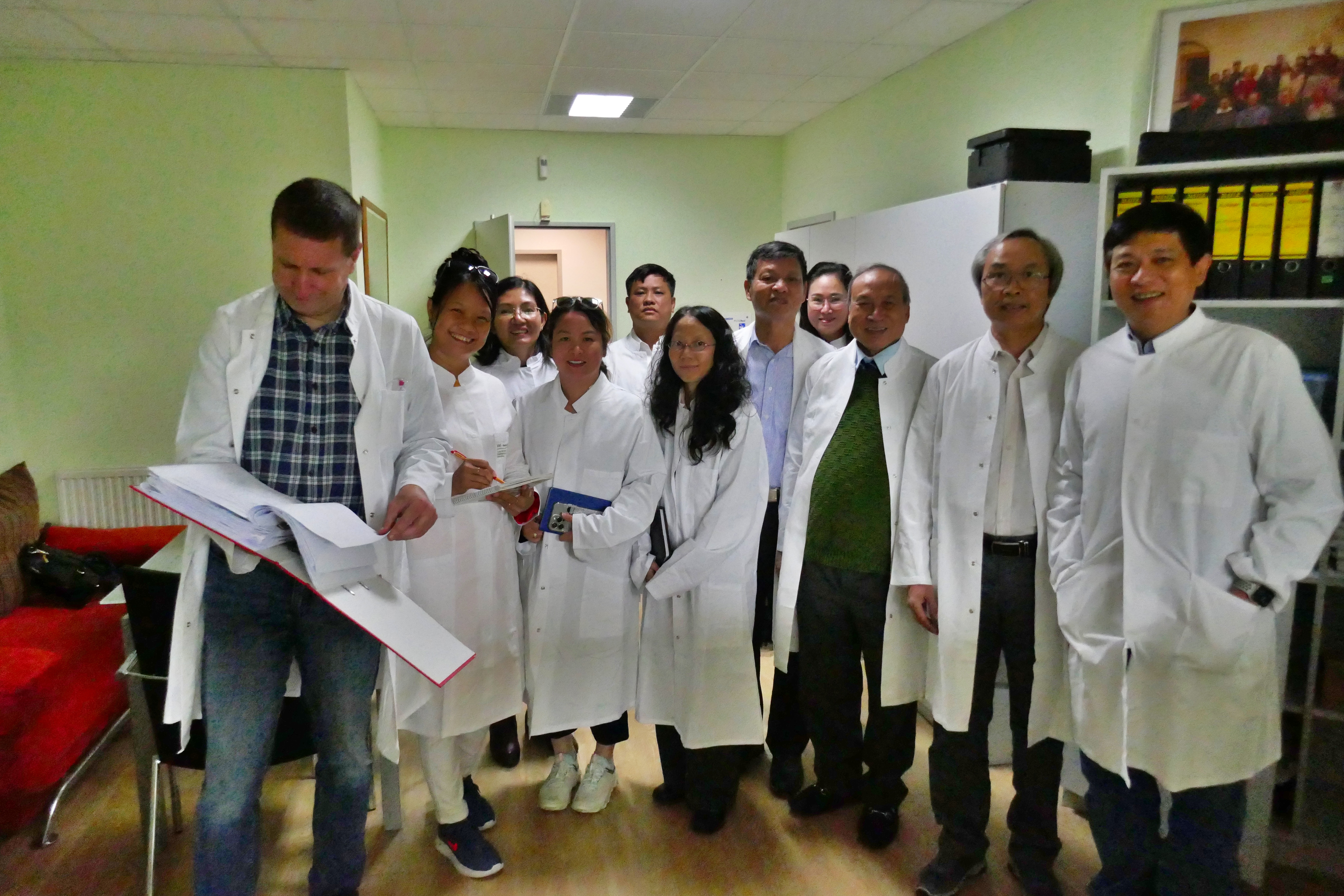
In the Eurofins IAF Radioecology laboratory, experts tested how NORM residues from Vietnam could be safely fixed in binding agents. The delegation compared classic Portland cement and modern geopolymers as matrices. Both materials proved successful in various tests: they remained stable and safely retained the radionuclides – well below the guideline and parameter values for drinking water. While cement is inexpensive and easy to handle, geopolymers are particularly resistant to chemicals and heat.
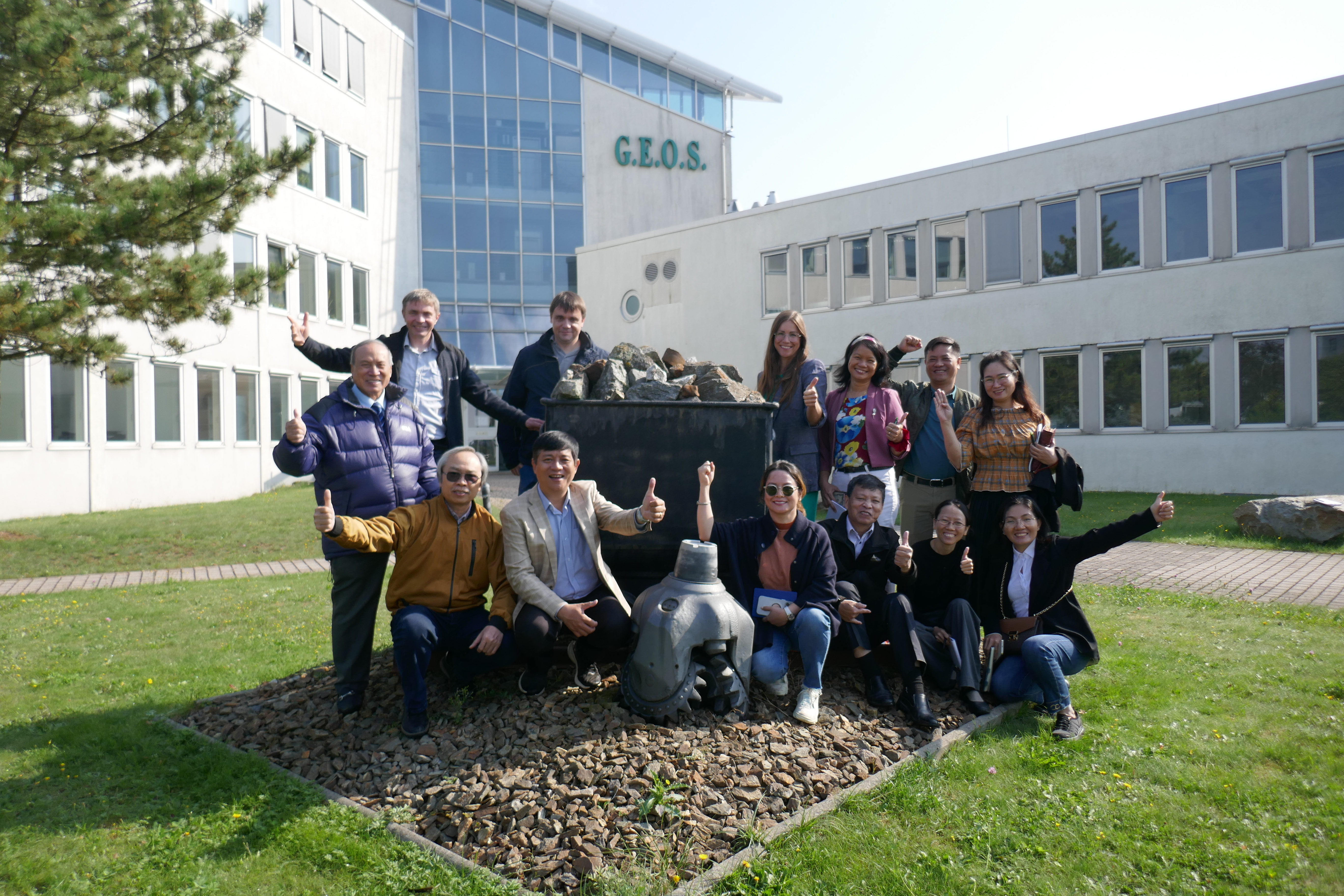
At G.E.O.S. in Halsbrücke (Saxony), the Vietnamese delegation gained an insight into how research can lead to practical applications. In a pilot plant, thorium is separated from old lightweight alloys used in aerospace applications. A second project presented to the group involves the regeneration of filter materials from drinking water treatment so that they can be reused multiple times. This conserves resources and reduces waste volumes.
The Vietnamese delegation was very satisfied with their visit to Germany. They found the direct insights into industrial practice, the measurement exercises and the procedures for the safe fixation of NORM residues particularly valuable. According to the experts, the knowledge gained provided applicable solution components for the titanium industry and other sectors in Vietnam where NORM residues are produced and need to be managed.
For more information about RENO-TITAN, visit the project page.